Preparedness for Happiness: Strengthening Resilience in Nepal
January 09, 2026Suresh kumar shrestha
In Nepal, happiness is deeply rooted in social cohesion, cultural continuity, and collective resilience. However, recent disaster experiences have made it increasingly clear that happiness is inseparable from preparedness—the capacity of societies to anticipate risks, reduce vulnerabilities, and respond effectively to crises.
Nepal is among the most disaster-prone countries in the world, exposed to earthquakes, floods, landslides, glacial lake outburst floods, and urban fires. The 2015 Gorkha Earthquake and the floods and landslides of 2024-2025 intensified by extreme rainfall, caused extensive human, economic, and psychological losses. Beyond physical destruction, these disasters disrupted livelihoods, education, and social stability, demonstrating how unpreparedness directly undermines societal well-being.
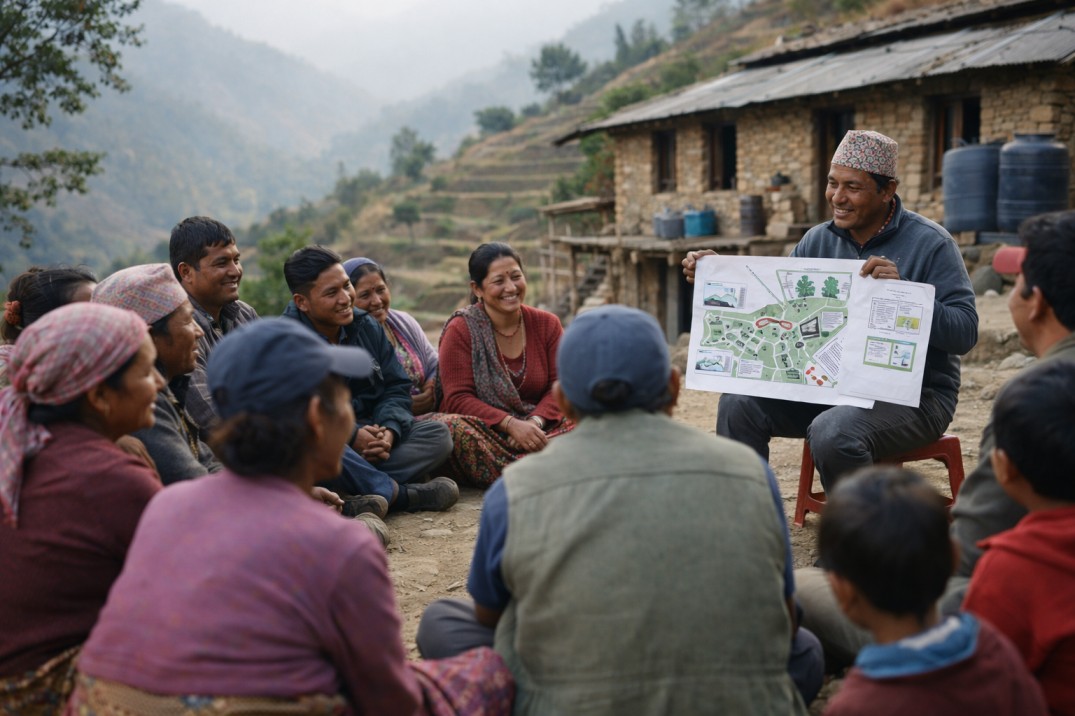
Global frameworks such as the Sendai Framework for Disaster Risk Reduction (2015–2030) emphasize that disasters result from the accumulation of risk shaped by governance choices, development pathways, and climate change. Nepal’s Disaster Risk Reduction and Management Act, 2017 reflects this shift by prioritizing prevention, preparedness, and resilience over reactive relief. Within this context, preparedness becomes a pathway to sustained happiness by reducing fear, uncertainty, and avoidable suffering.
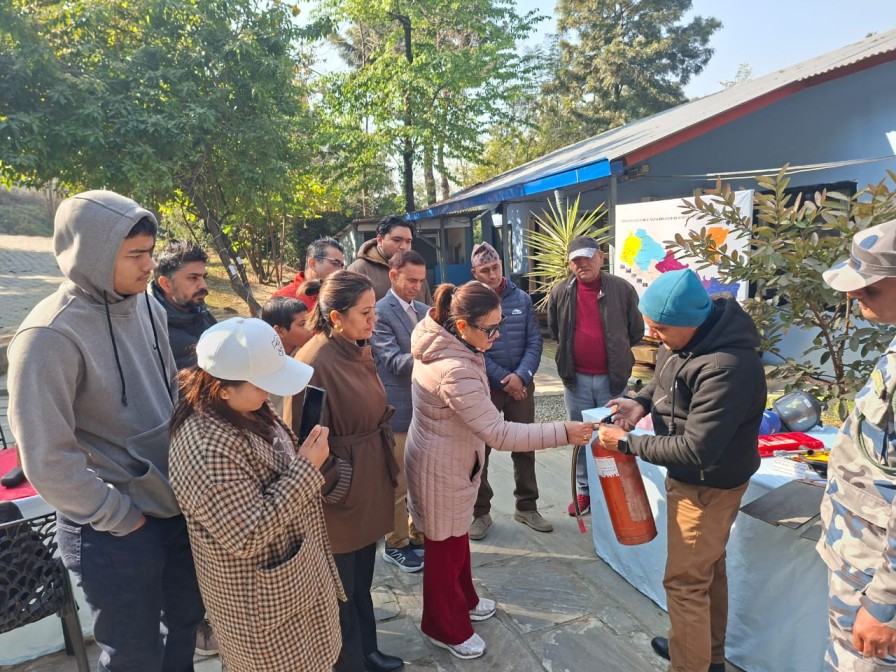
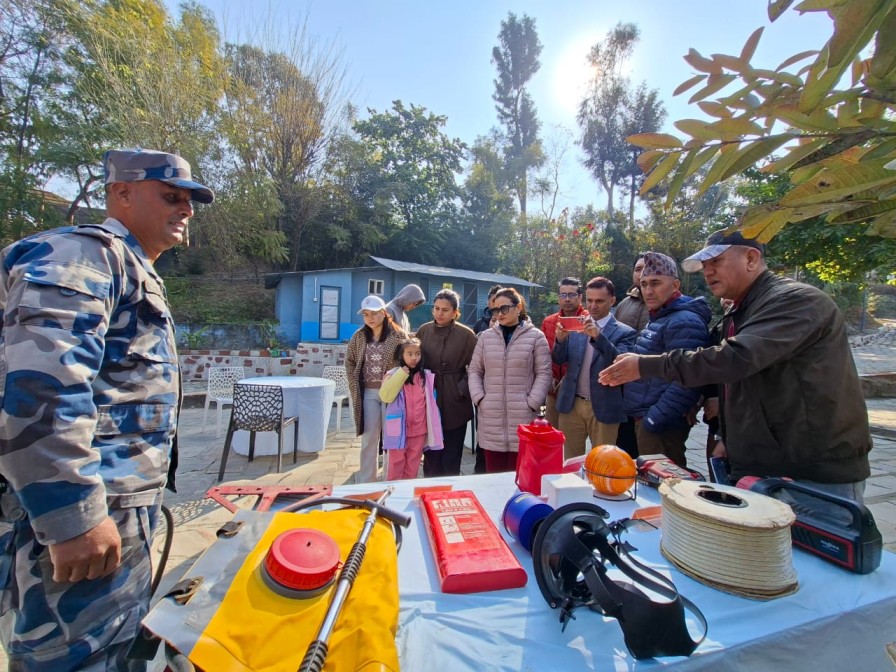
Security forces, including the Armed Police Force, Nepal Army, and Nepal Police, play a pivotal role in translating policy into action. Their responsibilities now extend beyond emergency response to include preparedness planning, early warning dissemination, logistics management, and coordination with local governments. When security institutions are embedded within community-centered disaster management frameworks, response effectiveness improves and public trust is strengthened.